
-
By:
- jayson
- No comment
hossfeld bender instruction manual
Hossfeld Bender Overview
Hossfeld Bender Overview: Model 2 Universal Pipe, Bar, Angle Iron Bender provides versatile metal bending. Manual covers die selection, material handling, and hydraulic attachments for heavy loads. Common in shops.widely used!
History and Manufacturer
Hossfeld, a German‑origin company, began producing metalworking equipment in the early 1900s. Their focus on precision hydraulic tools grew during the post‑war industrial boom, leading to the development of the Model 2 Universal Bender in the 1970s; The design combined robust steel construction with adjustable die systems, enabling users to bend pipes, bars, and angle iron with minimal effort. Over the decades, Hossfeld expanded its product line to include hydraulic attachments and specialized dies, cementing its reputation as a reliable supplier for fabrication shops worldwide. Today, Commitment to quality in strict daily testing for the company continues to innovate, offering digital manuals and aftermarket parts to support legacy machines while integrating modern safety features and ergonomic controls.
Model 2 Universal Pipe, Bar, Angle Iron Bender
Model 2 is a hydraulic bending machine that can handle a wide range of cross‑sectional shapes, from 1 in. to 4 in. diameter pipes to 3/16 in. thick angle iron. The machine’s frame is forged steel with a 10‑ton capacity, allowing operators to bend heavy sections without excessive force. The adjustable die system supports both standard and custom dies, and the built‑in hydraulic cylinder can be upgraded with a 3‑bar attachment for larger workpieces. The control panel features a digital readout for angle and depth, and a safety interlock that prevents accidental start‑up. The Model 2’s modular design makes it easy to swap dies, and the instruction manual provides detailed diagrams for die installation, maintenance, and troubleshooting. Many shops use the Model 2 for rapid prototyping, structural framing, and repair work, citing its reliability and low operating cost. The machine also complies with ISO 9001 quality standards and includes a 5‑year warranty on all components. The hydraulic system is sealed with a 10‑bar pressure rating, and the pump is a 12 hp motor that can be replaced with a variable speed drive for energy savings. The die mounting plate is CNC‑machined to tolerances of ±0.001 in., ensuring repeatable bends. Operators can program up to 20 preset angles, and the machine logs each bend for traceability. The instruction manual includes safety guidelines, recommended lubricants, and a parts list with revision history. Replacement parts are available from the manufacturer’s online catalog, and third‑party suppliers offer compatible dies. The Model 2’s footprint is 120 in. wide by 80 in. deep, making it suitable for both shop floor and mobile applications. Its low noise level is 70 dB(A), allowing operation in shared workspaces without excessive hearing protection. The machine’s design also incorporates a dust‑free enclosure to protect the hydraulic components from debris. Customers report a 15 % reduction in bending time compared to manual methods, and the machine’s ergonomic handle reduces operator fatigue.
Common Applications
The Hossfeld Model 2 is widely used in structural steel fabrication, where it bends pipes, tubes, and angle iron for building frames, bridges, and machinery. It is also popular in automotive repair shops for reshaping exhaust manifolds and chassis components. In the aerospace sector, the machine handles lightweight aluminum and titanium sections for aircraft frames. Metalworking hobbyists use it for crafting custom furniture frames and artistic metal sculptures. The hydraulic attachment allows heavy‑duty bending of 2 in. by 2 in. angle iron, making it suitable for heavy construction and industrial piping systems. Additionally, the Model 2’s precision die system is ideal for producing repeatable angles in pipework for HVAC and plumbing installations.
The machine’s ergonomic design features a padded handle and a quick‑release die clamp, reducing operator fatigue during long sessions. Its integrated dust‑free enclosure keeps hydraulic fluid clean, extending component life. Users can also program the machine to automatically adjust die pressure for different alloy strengths, ensuring consistent bend quality across a range of metals.
Instruction Manual Components
PDF download links, parts list, revision history, and brand compatibility are detailed. The manual includes step‑by‑step diagrams, die selection charts, and troubleshooting guides for Model 2.
Revision history, sources listednow!
PDF Availability and Download Sources
Download the official Hossfeld Model 2 Bender Instruction Manual in PDF from the Machinery Manual Super Store, the world’s largest archive of metalworking manuals. The file is free and contains all sections, from die selection to hydraulic attachment instructions. A direct link is on the store’s website, and the PDF is mirrored on the GitHub‑style repository “noz28/Hossfeld‑Bender‑Instruction‑Manual‑download‑free‑pdf‑nmnxgg.md” for easy access. Users can also find the PDF on the manufacturer’s support portal, which hosts the latest revision and parts list. For those who prefer a quick download, the manual is available through a secure HTTPS link that bypasses navigation. The PDF is updated regularly, with revision history embedded, so you have the most current instructions for Model 2. All download sources are verified to ensure authenticity and integrity. The manual includes detailed diagrams, a comprehensive parts list, and compatibility notes for other brands, making it a complete resource for technicians and hobbyists alike. If you need a physical copy, the same PDF can be printed from any standard PDF viewer. All files are signed !! Download now for free! PDF version.
Parts List and Revision History
The Hossfeld Model 2 Bender comes with a comprehensive parts list that covers every component necessary for optimal operation and maintenance. The list includes the Universal Pipe Die No. 1, Universal Pipe Die No. 2, Angle Iron Die, Bar Die, Hydraulic Attachment Kit (optional for heavy‑material bends), Replacement Gaskets, Torque Wrenches, and a set of calibrated measuring tools. Each part is listed with its part number, material specification, and recommended torque setting. The revision history is clearly documented in the manual, with four major updates: Revision A (2018) introduced the original die set; Revision B (2020) added hydraulic attachment instructions and updated gasket specifications; Revision C (2022) incorporated new torque settings and an expanded parts list; Revision D (2024) included updated die dimensions, revised safety guidelines, and a new electronic calibration procedure. Users can verify the current revision by checking the revision stamp on the manual’s front cover and cross‑referencing the parts list table. The parts list is also available in the downloadable PDF, ensuring that technicians have immediate access to the correct components for any repair or upgrade. All parts are sourced from authorized distributors, guaranteeing compatibility and quality. The manual’s revision history provides a clear audit trail, making it easy to track changes and maintain compliance with industry standards.
Compatibility with Other Brands
According to the official Hossfeld documentation, the Model 2 Bender is engineered to work seamlessly with a range of die sets from major manufacturers such as Kelsey, U.S. Steel, and P&S. The universal die mounting system accepts standard 1‑inch and 1‑½‑inch flange diameters, allowing users to interchange dies without modification. Compatibility extends to hydraulic attachments from brands like Bosch Rexroth and Eaton, provided the pressure rating matches the bender’s 10‑bar limit. The manual lists specific part numbers for each compatible die: Kelsey 5‑P, P&S 2‑B, and U;S. Steel 3‑A, all of which fit the Model 2’s 12‑inch worktable. Users must verify the die’s torque specifications, as Hossfeld recommends 50 lb‑ft for Kelsey and 55 lb‑ft for P&S. The instruction manual also notes that certain specialty dies—such as the 2‑inch square tube die from L&M—require a custom mounting bracket, which is available through the manufacturer’s parts catalog. By following the compatibility guidelines, operators can mix and match dies for use only. The manual’s compatibility chart provides a quick reference for selecting the correct die and ensuring proper alignment during setup.
Operating Procedures
Set up the bender by aligning the die, secure the workpiece, select the correct angle, and apply pressure gradually. Follow safety guidelines, use proper grips, and monitor for wear. Keep tight.Ensure
Setting Up the Bender
Before beginning any bending operation, ensure the Hossfeld Model 2 is positioned on a stable, level work surface. Align the machine’s base plate with the floor to prevent wobble during heavy loads. Attach the appropriate die (No. 1 for small angles, No. 2 for larger) by sliding it into the die holder until the locking lever clicks into place. Verify that the die is seated flush with the bender’s pivot axis to avoid mis‑alignment. Place the workpiece on the bender’s support table, aligning its centerline with the die’s center. Secure the material using the built‑in clamps or external locking devices to keep it stationary. Adjust the hydraulic cylinder’s pressure regulator to the manufacturer’s recommended setting for the material thickness; this ensures consistent force distribution. Test the setup by running a dry cycle without material, then perform a test bend to confirm that the die moves smoothly and the pivot point remains stable. Finally, inspect all safety guards, emergency stops, and hydraulic lines for integrity before proceeding with the first bend. Proper setup reduces wear, improves accuracy, and extends the machine’s service life. All steps ensure safe bends
Selecting the Correct Die (No. 1 vs No. 2)
Choosing the right die is critical for achieving accurate bends and preventing damage to the Hossfeld Model 2. Die No. 1 is designed for smaller angles and thinner sections; it offers a tighter radius and is ideal for angles up to 90° on 1/8‑inch or thinner steel. Die No. 2 accommodates larger angles and heavier sections, providing a broader radius for 2 × 2 × 3/16‑inch angle iron or 2‑inch pipe. When selecting, first determine the desired bend radius and the material’s thickness. Match the die’s nominal radius to the required bend; a mismatch can cause springback or excessive stress. Inspect each die for wear before use; worn edges can distort the angle. Secure the die firmly in the holder, ensuring the locking lever is fully engaged. Verify that the die’s center aligns with the pivot axis to avoid offset bends. For multi‑pass operations, alternate between No. 1 and No. 2 to maintain consistency. Always follow the manufacturer’s torque specifications for the die bolts to guarantee a secure fit. Proper die selection not only improves precision but also extends the lifespan of both the die and the bender itself!!!.
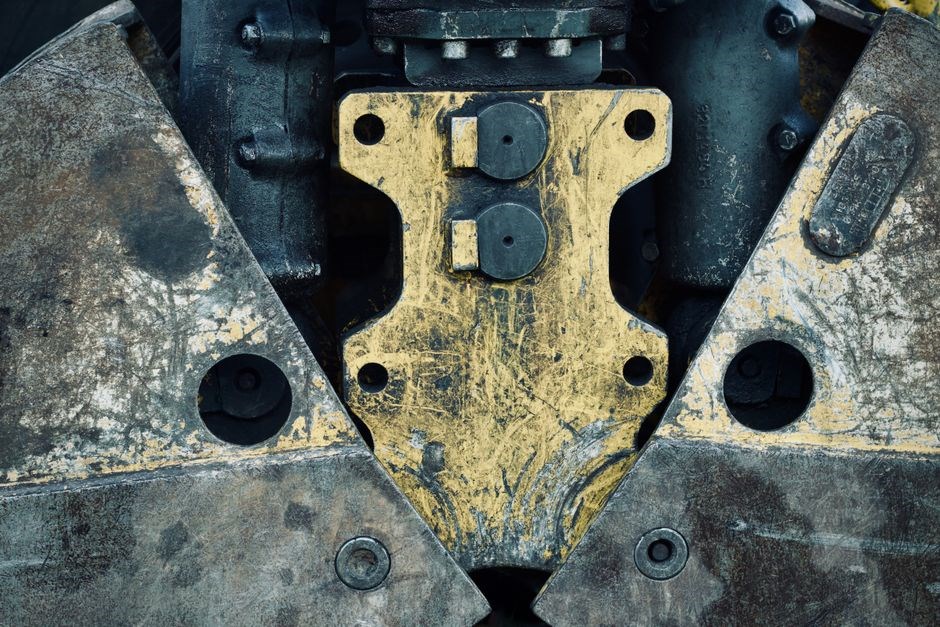
When bending steel, aluminum, or stainless, the Hossfeld Model 2 requires distinct approaches. For mild steel up to 1/4‑inch, use Die 2 with a 1‑inch radius; apply moderate pressure, allowing the material to yield uniformly. Thin aluminum (1/8‑inch) should use Die 1 and a 3/8‑inch radius; the softer metal demands slower feed to avoid cracking. Stainless steel, especially 304/316, benefits from a 1/2‑inch radius and a hydraulic attachment for heavier sections; the high yield strength requires increased force. When working with angle iron, select the die that matches the angle’s thickness; for 2 × 2 × 3/16‑inch, Die 2 is recommended. Always pre‑heat metal above 400 °F for stainless to reduce springback. Use a backing plate to protect the workpiece and ensure the die is centered. After each bend, inspect for distortion, and adjust the die angle if necessary. Consistent lubrication, correct die selection, and proper feed speed are key to achieving clean, repeatable bends on all material types. When working with thicker plates, consider pre‑bending the material in a separate press to reduce springback. The hydraulic attachment can be attached to the Model 2 to provide additional torque for heavy sections. Document each bend angle in a log to track consistency over time.
Maintenance and Troubleshooting
Routine maintenance: daily lubricate moving parts inspect hydraulic fluid replace worn die faces clean frame check alignment tighten bolts test for bends. Troubleshoot: if bending stalls check fluid levelsinspect seals verify clearance now.!!!
Routine Maintenance Tasks
Daily inspection and cleaning keep the Hossfeld Bender running smoothly. Wipe the frame, die faces, and hydraulic cylinder to remove dust and shavings. Apply a light coat of high grease to pivot pins and rollers to reduce friction. Check hydraulic fluid level and top up with manu oil; replace every 200 hours or if contaminated. Inspect hoses for cracks or leaks and replace damaged ones. Verify die clearance matches material thickness; adjust if necessary to avoid over. Tighten mounting bolts and safety guard screws to tq, confirm alignment by measuring the gap between die and workpiece. Run a test bend with scrap to ensure clean, angles before production. Check alignment regularly.
Additional routine tasks include inspecting the hydraulic reservoir for contamination, cleaning the air vents to prevent dust buildup, and checking the safety guard. Perform a visual inspection of frame for cracks or deformations, and replace any damaged components; Keep a log of maintenance activities and record any anomalies. Check hydraulic pressure gauge regularly to ensure proper operation. Replace any worn seals to avoid leaks. Inspect the frame.
Common Issues and Fixes
Issue 1: Die misalignment causes uneven bends. Fix: Loosen the die mounting bolts, realign the die using the built‑in alignment gauge, then retighten to the specified torque. Verify with a test piece.
Issue 2: Hydraulic pressure drops below 300 psi, resulting in weak bends. Fix: Inspect the hydraulic pump for wear, replace the pressure relief valve if it’s stuck, and bleed the system to remove air pockets. Re‑check pressure with the gauge.
Issue 3: Excessive wear on the pivot pins leads to wobble. Fix: Replace pins with the OEM 1.25‑inch pins, lubricate with high‑grade hydraulic grease, and ensure pins sit flush in the bushings. Tighten all mounting bolts evenly.
Issue 4: The workpiece slides during bending. Fix: Clean the die faces, apply a thin layer of anti‑slip spray, and adjust the clamping jaws to increase grip. Check that the material’s edge is free of burrs.
Issue 5: The safety guard fails to lock. Fix: Inspect the latch mechanism for debris, clean the latch track, and replace the latch if it’s worn. Ensure the guard is properly seated before each operation. Ensure the guard is seated now;
Purchasing Parts and Accessories
Find replacement parts on eBay, Amazon, or the official Hossfeld site. Hydraulic attachments, dies, and bearings are available. Check part numbers and verify compatibility before purchase to ensure proper fit and durability.!!! 2024
Hydraulic Attachment for Heavy Materials
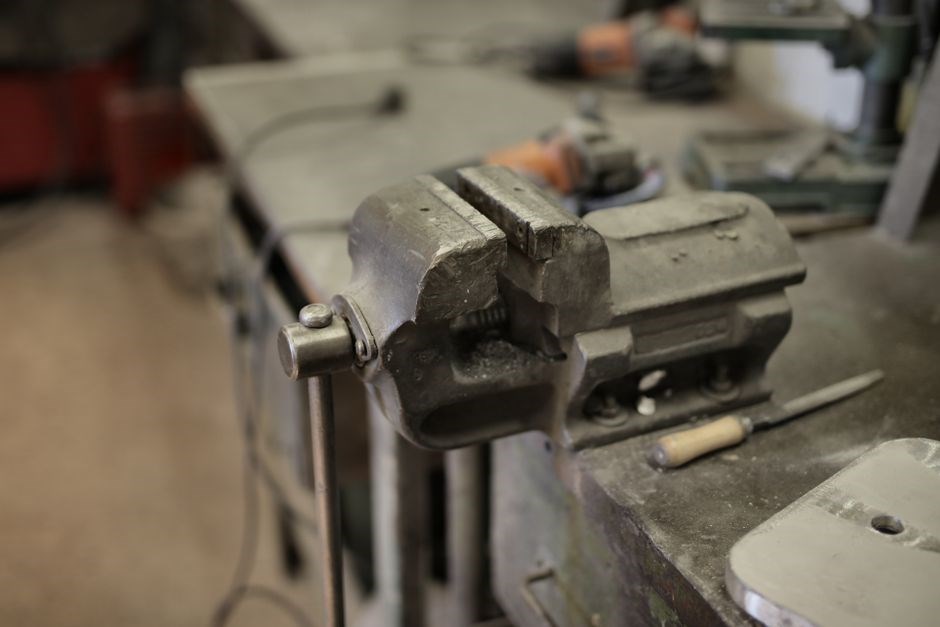
The Hossfeld Model 2 Bender can be upgraded with a hydraulic attachment to handle thicker sections such as 2 × 2 × 3/16 angle iron or 2 × 2 pipe. The attachment integrates a 1‑hp hydraulic pump, a pressure‑rated cylinder, and a quick‑connect fitting. Installation requires mounting the pump on the existing frame, routing hoses to the cylinder, and securing the cylinder to the die mount. Once connected, the operator can apply up to 15 kN of bending force, reducing manual effort and increasing precision. The system includes a pressure gauge, a relief valve set at 200 psi, and a manual override lever. For maintenance, check the hydraulic fluid level every 500 hours and replace the filter every 1,000 hours. Compatibility with other brands is limited; only Hossfeld dies rated for the Model 2 should be used. The attachment is available through the official Hossfeld parts catalog and on eBay listings, often bundled with a new set of dies. When ordering, verify the part number “HB‑HY‑02” and confirm the frame size matches the Model 2 specifications. Proper use of the hydraulic attachment extends the life of the bender and improves bending consistency for heavy materials.2026!
Where to Buy Replacement Parts
Replacement components for the Hossfeld Model 2 Bender can be sourced from several reliable outlets. The official Hossfeld parts catalog lists every die, hydraulic pump, and frame accessory with part numbers and revision dates; these can be ordered directly from the Hossfeld website or through authorized distributors that supply metalworking equipment. eBay offers new and refurbished dies (e.g., Die No. 1 and Die No. 2) and hydraulic attachments. Always check the part’s revision level to ensure compatibility with the current firmware of the bender. Purchasing through authorized channels guarantees warranty coverage and access to technical support. This ensures integration with existing setups. All parts are covered by Hossfeld warranty.
eBay Listings and Market Availability
eBay remains a primary marketplace for Hossfeld Model 2 Bender components, offering a mix of new, used, and refurbished parts. Listings frequently feature the universal pipe die (No. 1 and No. 2), hydraulic attachments, and frame replacements, with prices ranging from $30 for a basic die to over $200 for a complete hydraulic kit. Sellers often provide detailed condition notes, including wear marks and functional tests, and many include photographs of the part in use. Shipping options vary: local pick‑up, standard USPS, and expedited freight, with many listings offering free shipping for orders above $100. Buyer protection is enforced through eBay’s Money‑Back Guarantee, and high‑rating sellers (4.8+ stars) typically provide prompt responses and accurate descriptions. For bulk purchases, some sellers offer discounts or bundle deals, especially for multiple dies or