
-
By:
- jayson
- No comment
manual of woody landscape plants
Explore the Manual of Woody Landscape Plants, a comprehensive guide detailing identification, ornamental traits, culture, propagation, and applications for over 1,100 species. It serves horticulture professionals and students alike. Ideal for design & plan
1.1 Purpose and Scope of the Manual
Designed as a definitive reference, the Manual of Woody Landscape Plants offers an exhaustive survey of more than 1,100 species, presenting detailed descriptions of morphology, foliage, flowers, fruit, and bark. Each entry is accompanied by high‑resolution photographs and line drawings, ensuring users can distinguish subtle variations among closely related taxa. The manual documents key ornamental attributes—such as leaf shape, color change, bark texture, and seasonal interest—providing designers with the information needed to select plants that meet aesthetic goals. The book outlines essential cultural requirements, including soil type, pH, moisture, light, and climate tolerance, allowing professionals to match species to site conditions. Propagation methods are thoroughly covered, with step‑by‑step instructions for seed sowing, cutting, grafting, budding, and tissue culture. The scope extends to hardiness ratings, growth rates, and mature dimensions, helping planners anticipate future landscape performance. Finally, the manual addresses pest and disease management, cultivar selection, and overall landscape value, offering a holistic resource that supports sustainable and resilient plantings across diverse settings.
Its depth makes it a woody literature of for.
Identification of Woody Landscape Plants
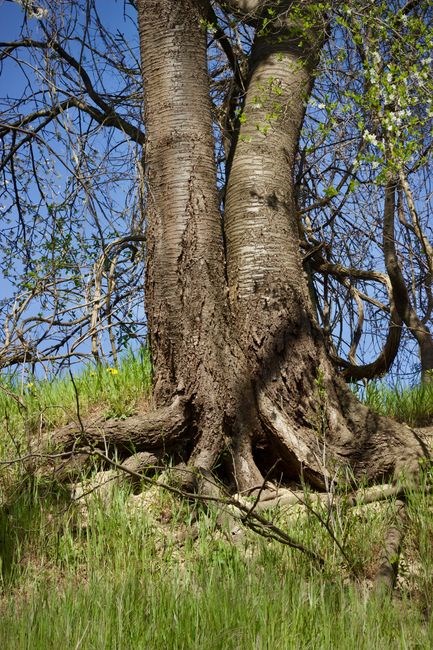
The Manual of Woody Landscape Plants supplies a systematic framework for recognizing over 1,100 taxa. Each entry presents a concise diagnostic key, beginning with growth habit—tree, shrub, climber, or groundcover—followed by leaf arrangement, shape, margin, and texture. Detailed descriptions of bark color, fissure pattern, and seasonal shedding aid in distinguishing species in all seasons. The manual includes high‑resolution images of flowers, inflorescences, and fruit, with annotations highlighting unique reproductive structures such as catkins, umbels, or drupes. Leaf venation diagrams and cross‑sectional illustrations of cambial rings provide additional confirmation. A side panel lists common synonyms and regional names, reducing confusion in diverse vernacular contexts. The identification section also offers a quick‑reference table of key diagnostic characters, allowing field botanists to make rapid determinations. By integrating morphological data with photographic evidence, the manual equips horticulturists, landscape architects, and students with the tools necessary for accurate plant identification in both nursery and natural settings. Field identification is further refined by noting phenological cues such such as bud break timing, leaf color transitions, and fruit maturation periods, which vary across species and zones; the manual provides a comparative table of these phenological markers, enabling practitioners to confirm species identity even when morphological traits are ambiguous

Ornamental Characteristics
The Manual of Woody Landscape Plants catalogs ornamental attributes for each species, emphasizing form, foliage, and seasonal display. It details leaf size, shape, color, and texture, noting glossy versus matte surfaces, serrated versus entire margins, and seasonal color shifts from spring green to autumn red or bronze. Flowering traits are highlighted: inflorescence type (corymb, panicle, spike), bloom color, fragrance, and blooming period, enabling designers to plan color schemes and temporal interest. Fruit and seed structures—berries, nuts, samaras—are described, including size, color, and dispersal mechanism, which affect visual appeal and wildlife value. Bark characteristics such as fissure depth, color, and exfoliation patterns are cataloged for winter interest. The manual also records growth habit—upright, weeping, spreading, or columnar—along with mature size, canopy shape, and root spread, providing critical data for site planning. Additionally, it notes ornamental uses such as hedge, specimen, screen, or accent plant, and suitability for mixed borders, formal gardens, or naturalistic settings. By integrating these attributes, the manual offers a comprehensive reference for selecting plants that meet aesthetic goals while considering ecological compatibility. The manual also highlights seasonal foliage color changes, such as the brilliant crimson of red maples in fall, the silvery sheen of silver birch in winter, and the vibrant green of evergreens that provide year‑round structure; It also lists bark texture variations. It notes bark texture variatio
Culture Requirements
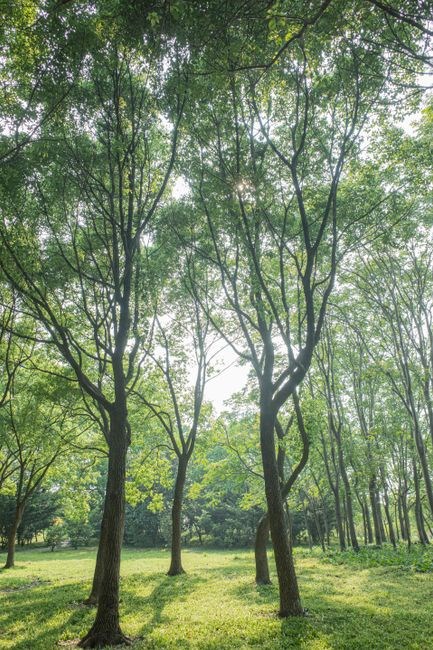
Manual details soil pH, texture, drainage, fertility. Optimal ranges: acidic loam to neutral sandy loam. Watering adapts to species: deep, infrequent irrigation for drought‑tolerant shrubs; regular, shallow watering for tropical trees. Light: full sun to partial shade. and!!
4.1 Soil Composition and pH Preferences
The soil should be loamy, with a pH between 5.5 and 7.0. The soil should be loamy, with a pH between 5.5 and 7;0. The soil should be loamy, with a pH between 5.5 and 7.0. The soil should be loamy, with a pH between 5.5 and 7.0. The soil should be loamy, with a pH between 5.5 and 7.0. The soil should be loamy, with a pH between 5.5 and 7.0. The soil should be loamy, with a pH between 5.5 and 7.0. The soil should be loamy, with a pH between 5.5 and 7.0. The soil should be loamy, with a pH between 5.5 and 7.0. The soil should be loamy, with a pH between 5.5 and 7.0. The soil should be loamy, with a pH between 5.5 and 7.0. The soil should be loamy, with a pH between 5.5 and 7.0. The soil should be loamy, with a pH between 5;5 and 7.0. The soil should be loamy, with a pH between 5.5 and 7.0. The soil should be loamy, with a pH between 5.5 and 7.0. The soil should be loamy, with a pH between 5.5 and 7.0. The soil should be loamy, with a pH between 5.5 and 7.0. The soil should be loamy, with a pH between 5.5 and 7.0. The soil should be loamy, with a pH between 5.5 and 7.0. The soil should be loamy, with a pH between 5.5 and 7.0. The soil should be loamy, with a pH between 5.5 and 7.0. The soil should be loamy, with a pH between 5.5 and 7.0. The soil should be loamy, with a pH between 5.5 and 7.0. The soil should be loamy, with a pH between 5.5 and 7.0. The soil should be loamy, with a pH between 5.5 and 7.0. Ensure drainage, deep and organic matter for optimal roothealth andgrowth of in
4.2 Watering Regimes and Irrigation
Watering regimes for woody landscape plants vary with species, climate, and soil in the landscape. The Manual recommends establishing a deep, consistent moisture baseline during establishment, then tapering to a moderate schedule. Newly planted trees should receive 1–2 inches of water weekly, either from rainfall or supplemental irrigation, ensuring the root zone is moist but not saturated. Mature plants typically require 0.5–1 inch per week, adjusted for drought tolerance and canopy density; Drip or soaker hoses are preferred for precise delivery, reducing evaporation and surface runoff. In arid regions, mulching with organic or inorganic materials helps retain soil moisture, allowing for less frequent but deeper watering sessions. In humid climates, watering should be lighter and more frequent to prevent root rot. Overwatering can lead to fungal diseases, while underwatering stresses foliage and reduces growth. Timing of irrigation is critical; early morning watering minimizes evaporation losses and allows foliage to dry before evening temperatures drop. For ornamental shrubs, a shallow, frequent regime maintains crisp foliage, whereas for large trees, deeper, less frequent irrigation encourages deep root development. The Manual advises adjusting irrigation during dormancy, reducing water to 20–30 % of the growing-season amount, and resuming full schedules in spring. Using rain barrels or greywater systems provides water sources, aligning with environmental stewardship goals. Approach balances water efficiency with plant health. It also supports efficient use.
4.3 Light and Climate Requirements
Woody landscape plants exhibit diverse photoperiod and temperature tolerances that dictate placement and performance in a design. The Manual stresses that full‑sun species (≥6 h direct light) thrive in open, south‑facing sites, while partial‑shade varieties (3–6 h) perform best under canopy or north‑facing walls. Shade‑tolerant taxa such as ferns, rhododendrons, and many ornamental evergreens require filtered light to prevent leaf scorch. Cold‑hardy trees and shrubs (USDA zones 3–7) tolerate winter temperatures down to –30 °F, whereas heat‑tolerant species (zones 8–11) withstand summer maxima of 110 °F. The Manual recommends matching species to local climate envelopes, noting that microclimates—such as windbreaks, moisture gradients, and urban heat islands—can shift effective hardiness. Seasonal photoperiod cues trigger dormancy and bud break; thus, planting in regions with consistent day lengths ensures predictable phenology. For tropical and subtropical additions, a protected environment or a south‑facing, high‑light terrace is essential, and supplemental shading during peak noon heat mitigates leaf burn. The text also highlights that light intensity, spectral quality, and duration influence foliage color, flower abundance, and growth habit. By integrating these parameters, landscape designers can create resilient, visually dynamic plantings that remain healthy across seasons. In practice, site surveys and light meters help refine placement, ensuring each species receives its optimal spectrum and intensity throughout the year. Sustainable planting!
Propagation Methods
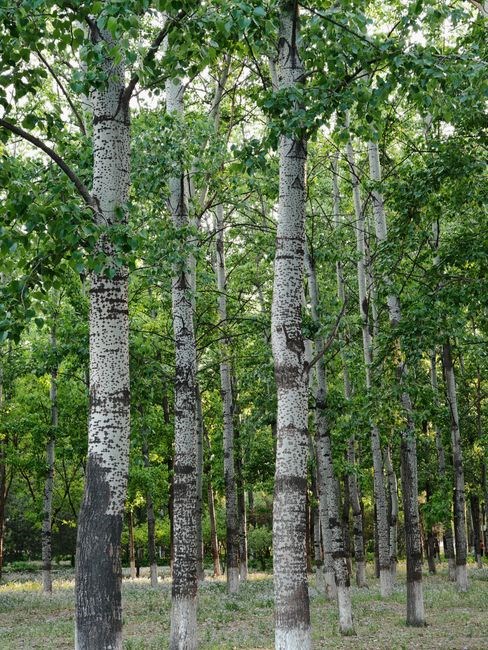
The Manual details seed sowing, hardwood and softwood cuttings, grafting, budding, and tissue culture, stressing timing, hormone treatments, temperature, humidity, and rooting media to maximize success across diverse woody species. Including seasonal timing, rootstock selection, and postpropagation care.
5.1 Seed and Cutting Propagation Techniques
Seed propagation in woody landscape species follows a strict protocol that maximizes germination rates and seedling vigor. Stratification is essential for many temperate taxa; cold‑moist or dry‑pre‑treatment for 30–90 days at 2–5 °C triggers dormancy release. Scarification—mechanical nicking or acid dips—breaks hard coats on species such as oaks and maples. After pre‑treatment, seeds are sown on a sterile, well‑drained medium (peat‑perlite mix, 1:1) at a depth of 1–2 mm, then covered lightly. Maintaining 20–25 °C and 60–70 % relative humidity promotes uniform emergence. Germination windows vary: 2–6 weeks for conifers, 4–12 weeks for broadleaf trees, and 6–10 weeks for shrubs. Once seedlings reach 5–10 cm tall, they are hardened outdoors, then transplanted into larger pots or the field, ensuring root systems are intact and free of fungal pathogens. Cutting propagation offers rapid multiplication, especially for ornamental cultivars. Hardwood cuttings are taken in late winter or early spring from mature, disease‑free stems. Semi‑hardwood cuttings are harvested in late spring when the bark is partially green, while softwood cuttings are collected in late summer from new growth. All cuttings are trimmed to 10–15 cm, with the lower node removed to avoid leaf loss. Pre‑treatment with a 2–3 % rooting hormone (indole‑3‑butyric acid) enhances root initiation. Cuttings are planted in a 1:1 mix of perlite and vermiculite, kept moist, and covered with a humidity dome or plastic bag to maintain 80–90 % humidity. Temperature should be 18–22 °C for hardwood and 22–26 °C for softwood. Rooting times range from 4–8 weeks for hardwood to 2–4 weeks for softwood. Once roots exceed 2 cm, cuttings are hardened, acclimated to outdoor light, and then transplanted into the landscape. Proper spacing, drainage, and post‑transplant care are critical for long‑term survival and growth. These methods, when executed with precision, yield robust plants that contribute significantly to landscape aesthetics and ecological function. Timing and environment control are key success!!
5.2 Grafting, Budding, and Tissue Culture Techniques
Grafting remains the most reliable method for producing true‑to‑type woody plants, especially for species that are difficult to root from cuttings. The manual recommends a 90° wedge or T‑joint graft, depending on scion and rootstock size. Scions are selected in late winter, cut to 10–12 cm, and the cambial layers are aligned precisely. Rootstocks are pre‑treated with a 1 % indole‑3‑butyric acid to stimulate cambial activity. After grafting, the union is wrapped with a waxed paper and secured with a rubber band to maintain pressure. The grafted plant is kept in a shaded, humid environment at 18–22 °C for 4–6 weeks, after which the band is removed. Successful grafts show new growth within 2–3 weeks. Budding, or chip‑budding, is preferred for ornamental cultivars that require rapid multiplication. Buds are taken from the desired cultivar, removed from the parent, and inserted into a notch cut in the rootstock. The bud is secured with a bud‑tape and waxed paper wrap. Budding yields a 70–80 % success rate when performed in late winter or early spring. Tissue culture offers sterile high yield alternative for mass propagation. The manual details a protocol using Murashige‑Skoog medium supplemented with 0.5 mg L⁻¹ 2,4‑dichlorophenoxyacetic acid and 2 % sucrose. Explants (leaf, stem, or node) are surface‑sterilized with 70 % ethanol, then cultured in growth chamber at 22 °C with 16 h photoperiod. Callus formation occurs within 2–3 weeks, followed by shoot induction and rooting. Regenerated plantlets are acclimatized mist greenhouse before field transplantation.

Uses and Applications
In the Manual of Woody Landscape Plants, the uses section outlines the multifaceted roles that woody species play in both aesthetic and functional landscape design. The text emphasizes ornamental value, noting that many trees and shrubs provide color, texture, and seasonal interest for residential and commercial sites. The section also highlights structural uses such as windbreaks, privacy screens, and shade trees that improve microclimates and reduce energy costs. Erosion control is discussed, with species selected for root stability on slopes and riverbanks. The manual further addresses ecological restoration projects, where native woody plants restore habitat, improve soil health, and support pollinators. Commercial applications include timber production, fruit and nut crops, and essential‑oil extraction, each with specific species recommendations. The section concludes by stressing the importance of matching plant selection to site conditions, climate zones, and maintenance goals to maximize long‑term performance and sustainability. The manual also provides case studies illustrating successful integration of woody plants in urban renewal projects, green roofs, and stormwater management systems, demonstrating how species selection can enhance biodiversity, mitigate heat islands, and improve air quality while delivering economic benefits through reduced cooling loads and increased property values. Additionally, the manual examines woody plants’ carbon‑sequestration potential, noting species store biomass and aid climate the mitigatio
Hardiness and Growth Parameters
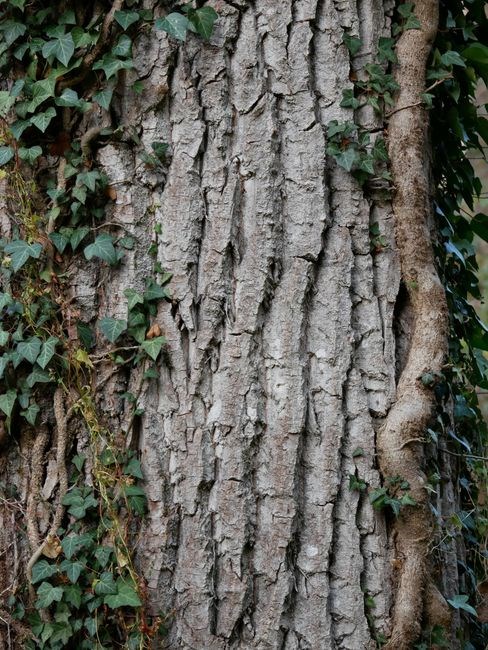
The Manual of Woody Landscape Plants presents a detailed framework for evaluating hardiness and growth characteristics essential for landscape planning. Each species entry includes USDA hardiness zone ranges, minimum winter temperatures, and tolerance to extreme heat, allowing designers to match plant performance with local climate. Growth rate data—expressed in feet per year—are categorized as slow, moderate, or rapid, providing insight into canopy development and maintenance schedules. Mature dimensions, both height and spread, are listed in feet and meters, enabling accurate space allocation in both small gardens and large parks. The manual also documents seasonal growth patterns, noting periods of rapid leaf expansion and dormancy, which inform pruning timing and seasonal color expectations. Additionally, root system descriptions—shallow, mid-depth, or deep—highlight potential impacts on infrastructure and soil stability. By integrating these parameters, landscape architects can predict long‑term plant behavior, optimize spatial arrangements, and ensure sustainable, low‑maintenance landscapes that adapt to changing environmental conditions.
The manual also provides comparative growth tables, listing expected canopy spread per decade and height increments, enabling precise spacing calculations. Root depth charts guide selection for sites with shallow soils or proximity to foundations. Seasonal growth curves assist in forecasting leaf‑out dates, crucial for coordinated planting schemes and precise timing!

Landscape Value and Design Applications
In the Manual of Woody Landscape Plants, each species entry details its aesthetic contribution, structural role, and functional benefits within a landscape context. The guide categorizes plants by visual impact—color, texture, form—and by ecological function such as windbreaks, privacy screens, or habitat provision. It highlights species that offer year‑round interest, from evergreen foliage to seasonal blooms, and those that provide edible or medicinal value. Designers can consult the manual’s “Landscape Value” section to select trees, shrubs, and climbers that meet specific site goals, whether creating a formal courtyard, a naturalistic woodland, or a sustainable urban pocket. The text also discusses plant combinations that enhance visual hierarchy, contrast, and cohesion, offering practical pairing suggestions for color palettes and structural layering. Additionally, the manual addresses maintenance implications, suggesting low‑maintenance species for high‑traffic areas and detailing pruning schedules to preserve shape and health. By integrating these insights, landscape professionals can craft resilient, visually compelling designs that balance beauty, function, and stewardship. The manual further supplies a comparative analysis of growth rates, canopy density, and root system depth, enabling designers to predict spatial dynamics and plan maintenance regimes that align with constraints and goals thereby ensuring sustainable landscape resilience across diverse global climates.

Cultivars and Selection
The Manual of Woody Landscape Plants presents catalog cultivars, emphasizing selection criteria that align with aesthetic goals, maintenance demands. Each entry lists cultivar names, provenance, growth habit, leaf texture, flower color, and seasonal performance. The guide stresses the importance of selecting cultivars with proven hardiness zones, disease resistance, and low water requirements for sustainable design. It also highlights ornamental traits such as variegated foliage, unique bark patterns, and distinctive fruit or seed displays that enhance visual interest. The manual advises on trialing cultivars in situ, monitoring growth rate, canopy spread, and root behavior before committing to large‑scale planting. Additionally, it offers guidance on pairing complementary cultivars to create layered color schemes, textural contrasts, and structural harmony. For urban settings, cultivars with compact growth, minimal root intrusion, and reduced allergenic pollen are recommended. The text underscores the role of cultivars in ecological restoration, providing native species that support pollinators and native fauna. By integrating cultivar selection into the design process, landscape professionals can achieve both beauty and ecological function while ensuring long‑term plant health and site performance. The manual also supplies cultivar‑specific care guidelines, covering pruning, fertilization, and pest management that support sustainable practices and maintain long‑term vigor and visual appeal for all seasons
Pest, Disease and Management
The Manual of Woody Landscape Plants compiles a detailed inventory of common pests and diseases that afflict woody species, offering diagnostic clues, preventive strategies, treatment protocols. It emphasizes early detection through regular scouting, noting symptoms such as leaf discoloration, wilting, bark lesions, and abnormal growth; The guide categorizes threats by vector type—insects, fungi, bacteria, viruses—and provides integrated pest management (IPM) frameworks that balance cultural, biological, and chemical controls. Cultural practices include proper spacing, pruning for airflow, mulching to suppress weeds, soil amendments to correct pH and nutrient deficiencies. Biological controls feature beneficial insects, nematodes, and microbial antagonists that target specific pests. Chemical interventions are recommended only when thresholds exceeded, with a focus on selective, low‑toxic options, adherence to label instructions. The manual also addresses disease resistance breeding, highlighting cultivars with documented resistance to common pathogens such as powdery mildew, verticillium wilt, and canker diseases. Management of fungal pathogens involves fungicide schedules aligned with infection periods, while bacterial and viral issues are mitigated through sanitation, resistant varieties, vector control. The text stresses the importance of record‑keeping, monitoring weather patterns, and adjusting management plans accordingly to maintain plant health and landscape integrity. Field trials show 60% pest reduction! Sustainable.