-
By:
- jayson
- No comment
how the disciples of jesus died pdf
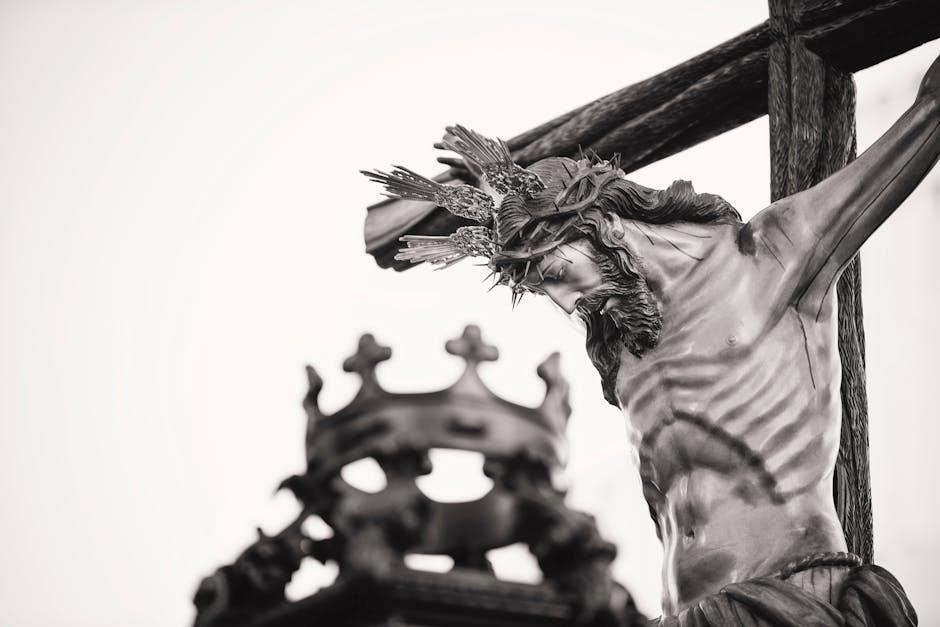
The narratives surrounding the deaths of Jesus’ followers are compelling, often marked by intense suffering and unwavering faith․
Many disciples faced martyrdom,
a testament to their beliefs,
as evidenced by historical accounts and traditions․
These stories, though varied,
reveal a period of Roman persecution
and the disciples’ resolute commitment
to spreading Christianity,
even in the face of death․
Their ultimate fates shaped the early church․
Historical Context & Sources
Understanding the deaths of the disciples requires acknowledging the turbulent first-century Roman world․ The Roman Empire, while initially tolerant of various religions, viewed Christianity with suspicion, particularly its refusal to participate in emperor worship․ This perceived defiance led to sporadic, yet brutal, persecutions, especially under emperors like Nero and Domitian․
Primary sources are limited and often rely on later traditions․ The New Testament offers some accounts, notably the Book of Acts, detailing the martyrdom of Stephen and James, son of Zebedee․ However, detailed narratives of the other apostles’ deaths emerge primarily from writings of early Church Fathers – figures like Eusebius, Tertullian, and Irenaeus – centuries after the events․ These accounts, while valuable, are often hagiographic, meaning they tend to idealize the martyrs and may contain embellishments․
Extra-biblical sources, such as Roman historical texts, offer limited corroboration․ These sources generally focus on the political threat posed by Christians rather than individual fates․ Therefore, reconstructing the precise circumstances of each apostle’s death remains a complex task, relying on a careful analysis of fragmented evidence and acknowledging the potential for legendary development over time․
The Significance of Martyrdom in Early Christianity
Martyrdom held profound significance for the nascent Christian community, transforming persecution into a powerful witness․ The willingness of disciples to face death rather than renounce their faith served as a compelling demonstration of their conviction and the truth of their message․ It wasn’t merely about dying for Christ, but dying like Christ – with forgiveness, courage, and unwavering love․
The deaths of the apostles fueled the spread of Christianity, paradoxically strengthening the movement through sacrifice․ Accounts of their suffering inspired others to embrace the faith, viewing martyrdom as a pathway to eternal glory․ This concept resonated deeply within a Roman society that valued honor and courage, reframing death as a victory rather than a defeat․
Martyrdom also solidified early Christian identity, distinguishing believers from the wider Roman world․ It fostered a sense of solidarity and purpose, creating a community bound by shared faith and a willingness to endure hardship․ The “witness” (martyria) of the martyrs became foundational to Christian theology and practice, shaping its ethical and spiritual landscape for centuries to come․

The Twelve Apostles: Individual Destinies
Each apostle experienced a unique and often brutal end, reflecting the intense opposition faced by early Christians․
Their varied deaths –
crucifixion, exile,
spearing, and more –
highlight the widespread persecution
and unwavering commitment
to their faith and Jesus’ teachings;
Simon Peter: Crucifixion and Legacy
Simon Peter, considered the foundational rock of the Church, met a particularly poignant end․ Tradition overwhelmingly states that Peter was crucified in Rome during the reign of Emperor Nero, likely around 64-67 AD․ However, a significant detail distinguishes his crucifixion from that of Jesus: Peter requested to be crucified upside down, believing himself unworthy to die in the same manner as his Lord․
Accounts from various early Church Fathers, including Clement of Rome and Tertullian, corroborate this detail․ The location of his crucifixion is believed to be near the Circus of Nero, a site often used for public executions; His death wasn’t simply a physical one; it became a powerful symbol of his devotion and humility․
Peter’s legacy extends far beyond his martyrdom․ He is revered as the first Pope by the Catholic Church, and his writings – the two Epistles of Peter in the New Testament – continue to offer guidance and inspiration to Christians worldwide․ His story serves as a powerful reminder of the cost of discipleship and the enduring strength of faith․
Andrew: Crucifixion in Greece
Andrew, the brother of Simon Peter, is traditionally believed to have been crucified in Patras, Greece․ Unlike the widely documented fate of Peter in Rome, details surrounding Andrew’s death are less consistently recorded in early Christian writings, relying more heavily on later traditions and apocryphal accounts․
Historical sources suggest Andrew preached extensively in Greece and Scythia (modern-day Ukraine and southwestern Russia) after the ascension of Jesus․ He eventually aroused the ire of local authorities in Patras, who viewed his teachings as a threat to the established Roman religious order․ He was sentenced to death by crucifixion․
Interestingly, accounts describe Andrew being bound, rather than nailed, to a cross – an X-shaped cross, now known as St․ Andrew’s Cross․ He reportedly preached for two days while still attached to the cross, offering forgiveness to his persecutors before finally succumbing to death․ Andrew is the patron saint of Scotland, Greece, Russia, and fishermen, embodying a legacy of evangelism and unwavering faith․

James, Son of Zebedee: First Apostle Martyred
James, son of Zebedee, holds the distinction of being the first apostle to be martyred, according to historical tradition․ The Book of Acts provides the earliest account of his death, stating he was executed by Herod Agrippa I around 44 AD․ This occurred shortly after Peter’s miraculous escape from prison, highlighting Herod’s growing animosity towards the early Christian movement․

The biblical narrative specifies James was killed by the sword, a common method of Roman execution․ This act was motivated by Herod’s desire to appease the Jewish leaders in Jerusalem, who perceived James’ growing influence as a threat․ His death is presented as a deliberate attempt to suppress the burgeoning Christian faith․
Later accounts embellish the details, suggesting James boldly defended his faith before Herod, refusing to denounce Jesus․ While these accounts lack direct biblical support, they reinforce the image of James as a courageous witness․ His martyrdom is considered a pivotal moment in early church history, demonstrating the willingness of the apostles to sacrifice their lives for their beliefs․
John, Son of Zebedee: Exile and Natural Death
Unlike many of his fellow apostles, John, son of Zebedee, is believed to have died of natural causes, making his fate somewhat unique․ Historical accounts suggest he lived to an old age, the only apostle traditionally believed to have avoided martyrdom․ However, his life wasn’t without hardship and persecution․
Early church tradition indicates John was exiled to the island of Patmos, likely during the reign of Emperor Domitian in the late 1st century AD․ The Book of Revelation, attributed to John, was purportedly written during this period of exile, offering a powerful message of hope amidst suffering․ The reason for his exile was likely his Christian faith and refusal to participate in emperor worship․
After Domitian’s death, John reportedly returned to Ephesus, where he continued to lead the Christian community․ He is credited with writing the Gospel of John, the three Johannine epistles, and Revelation․ Tradition holds that he died in Ephesus around 100 AD, a respected and influential figure in the early church, leaving behind a lasting theological legacy․
Philip: Martyrdom in Hierapolis
The fate of Philip, one of the original twelve apostles, is steeped in tradition, primarily detailing his martyrdom in Hierapolis, a city in Phrygia (modern-day Turkey)․ Accounts suggest Philip actively preached the Gospel in Greece, Syria, and Phrygia, encountering significant opposition in the process․
According to historical narratives, Philip was arrested in Hierapolis and subjected to brutal torture․ He was reportedly scourged, thrown into prison, and ultimately crucified – an inverted crucifixion, meaning he was crucified upside down․ This unusual method of execution is often attributed to Philip’s zealous evangelism and his refusal to renounce his faith in Jesus Christ․
Legends surrounding his death vary, with some accounts claiming he was crucified alongside his daughters, who also suffered martyrdom for their beliefs․ While concrete historical evidence remains limited, the consistent tradition points to Philip’s unwavering dedication and ultimate sacrifice in Hierapolis, solidifying his place as a martyr for the Christian faith․
Bartholomew (Nathaniel): Flayed Alive
Bartholomew, often identified as Nathaniel – the apostle Jesus described as “a man in whom there is no deceit” – endured a particularly gruesome martyrdom․ Historical accounts consistently point to his death by flaying, a horrific method of execution involving the removal of skin․ This occurred in Armenian territory, specifically the city of Derbent, though some traditions place it in India or Babylon․

The story details that King Polymius of Armenia, angered by Bartholomew’s successful conversion of his sister to Christianity, ordered his agonizing death․ Bartholomew was reportedly stretched on a frame and then flayed alive, a process intended to inflict maximum pain and terror․ Despite the unimaginable suffering, he continued to proclaim his faith in Jesus Christ․
Tradition holds that Bartholomew remained steadfast even during his torture, refusing to renounce his beliefs․ His unwavering faith in the face of such brutality cemented his legacy as a powerful martyr, and his remains became objects of veneration in various locations․ The details of his death are a stark reminder of the persecution faced by early Christians․
Thomas: Speared to Death in India
The Apostle Thomas, known for his initial doubt regarding Jesus’ resurrection, is traditionally believed to have traveled extensively as a missionary, reaching as far as India․ Unlike many of the other apostles who met their end in the Roman Empire, Thomas’s martyrdom occurred in Mylapore, near modern-day Chennai, India․ Accounts detail his death around 72 AD, though precise dates remain debated․
According to historical narratives, Thomas converted many Indians to Christianity, which angered local Brahmins and Hindu rulers․ He was reportedly speared to death while praying on a mount – now known as St․ Thomas Mount – by a group of soldiers․ Some versions of the story describe multiple attackers and wounds, emphasizing the violent nature of his demise․
The St․ Thomas Christians, an ancient Christian community in India, trace their origins directly to Thomas’s missionary work․ His tomb in Mylapore became a significant pilgrimage site, and his legacy continues to inspire faith within the Indian Christian community․ The story of his death highlights the global reach of early Christian missions and the sacrifices made to spread the Gospel․
Matthew: Various Accounts of Death
The fate of the Apostle Matthew, traditionally identified as the author of the first Gospel, is shrouded in more uncertainty than that of many other disciples․ Unlike the relatively clear accounts surrounding Peter or James, multiple, often conflicting, traditions exist regarding his death and burial location․ This lack of definitive historical consensus makes reconstructing his final days challenging․
Some accounts claim Matthew preached in Ethiopia and was martyred there, either by being burned alive or beheaded․ Other traditions suggest he died a natural death, possibly in Egypt, after a long period of missionary work․ A third narrative places his death in Syria, where he was reportedly killed with a halberd – a pole weapon combining an axe blade with a spear point․
Relics attributed to Matthew are found in various locations, including Italy and Armenia, further complicating the picture․ The diversity of these accounts suggests that the details of his death were not consistently preserved or widely known in the early Church․ Despite the ambiguity, Matthew’s enduring legacy as a Gospel writer remains firmly established․
James, Son of Alphaeus: Stoned to Death
James, the son of Alphaeus, often distinguished from James, the son of Zebedee, endured a particularly brutal martyrdom․ Historical accounts consistently depict his death by stoning, a common form of execution in Judea during the first century․ This method involved being pelted with stones by a mob until death resulted from the inflicted injuries․
The specifics surrounding his arrest and trial are largely unknown, but it’s believed he was condemned for his faith in Jesus Christ․ Jewish authorities, resistant to the growing Christian movement, likely instigated the proceedings․ The stoning is said to have occurred in Jerusalem, though precise details regarding the location remain elusive․
Interestingly, some accounts add a particularly gruesome detail: after being stoned, James was reportedly clubbed to death with a fuller’s club – a tool used by clothiers to thicken and finish fabrics․ This suggests a desire to ensure his death was complete and to publicly discourage others from following his beliefs․ His unwavering faith, even in the face of such violence, cemented his place as a martyr․
Thaddaeus (Judas, Son of James): Shot with Arrows
Thaddaeus, also known as Judas, son of James, faced a uniquely violent end, reportedly being martyred by being shot with arrows․ Unlike some of the more widely documented deaths of the apostles, details surrounding Thaddaeus’s fate are fragmented and rely heavily on tradition, particularly within Eastern Christian accounts․
The prevailing narrative places his martyrdom in Persia, specifically in the region of what is now Iran․ It’s believed he, along with Simon the Zealot, traveled to Persia to preach the Gospel․ However, their missionary efforts provoked the ire of local authorities and religious leaders who viewed Christianity as a threat․
Accounts describe Thaddaeus being subjected to a barrage of arrows, ultimately succumbing to the wounds inflicted․ Some versions of the story claim he endured this agonizing death alongside Simon the Zealot, who was simultaneously crucified․ The precise reasons for choosing arrows as the method of execution remain unclear, but it likely served as a public display of power and a deterrent to potential converts․
Simon the Zealot: Sawn in Two
Simon the Zealot’s martyrdom is arguably one of the most gruesome and vividly described among the apostles, though historical verification remains challenging․ Tradition consistently portrays his death as being sawn in two, a horrific method of execution intended to inflict maximum pain and terror․
Accounts generally place his martyrdom in Persia, often linking it to his missionary work alongside Thaddaeus (Judas, son of James)․ They are said to have traveled to Persia to spread the Gospel, encountering strong opposition from local authorities and religious factions․ Their preaching challenged established beliefs, leading to their arrest and condemnation․
The story details Simon being condemned to be sawn in half lengthwise․ While the historical accuracy is debated, the gruesome detail serves as a powerful symbol of the sacrifices made by early Christians․ Some accounts suggest he bravely endured the ordeal, preaching even as the saw cut through his body․ This brutal execution highlights the intense persecution faced by early followers of Christ and their unwavering commitment to their faith․
Judas Iscariot: Suicide and its Aftermath
Judas Iscariot’s fate stands apart from the other apostles, marked not by martyrdom but by suicide following his betrayal of Jesus․ The New Testament, specifically Matthew’s Gospel, details how, consumed by guilt after witnessing the consequences of his actions – Jesus’ condemnation – Judas returned the thirty pieces of silver to the chief priests and elders․
Overwhelmed with remorse, he then went and hanged himself․ This act, viewed differently throughout Christian history, is often interpreted as a demonstration of his despair and inability to face the gravity of his betrayal․ The aftermath of his death is also significant․

The priests, unable to return the blood money to the temple treasury as it was considered tainted, used it to purchase a field known as the “Field of Blood,” becoming a burial ground for foreigners․ This event, prophesied by Jeremiah, further solidified the tragic and irreversible consequences of Judas’s actions, forever linking his name with betrayal and despair within Christian tradition․
Beyond the Twelve: Other Key Followers
Significant figures beyond the original twelve also faced persecution for their faith․ Paul the Apostle was beheaded in Rome,
while Mary Magdalene’s later life
is shrouded in tradition․
Their stories highlight the widespread
Roman suppression of early Christians․
Paul the Apostle: Beheading in Rome
Paul, initially known as Saul of Tarsus, underwent a dramatic conversion and became arguably the most influential figure in spreading Christianity throughout the Roman Empire․ His extensive missionary journeys and letters form a significant portion of the New Testament․
However, Paul’s zealous advocacy for Jesus Christ brought him into direct conflict with Roman authorities․ Accused of inciting unrest and challenging traditional Roman religious practices, he was arrested in Jerusalem and subsequently appealed his case to Caesar, hoping for a fair hearing in Rome․
Despite reaching Rome, Paul’s situation did not improve․ Historical accounts, primarily from the writings of Clement of Rome, suggest that Paul was beheaded during the great fire of Rome under the reign of Emperor Nero, around 64-67 AD․ This form of execution was reserved for Roman citizens, indicating Paul’s status․
The precise location of his execution remains debated, but tradition places it near the Salarian Way․ Paul’s death, though brutal, solidified his legacy as a martyr for his faith and a pivotal figure in the early Christian movement, inspiring countless believers for centuries․
Mary Magdalene: Later Life and Traditions
Mary Magdalene holds a unique and often misunderstood position among Jesus’ followers․ The Gospels depict her as a witness to the crucifixion, the first to see the resurrected Christ, and an apostle to the apostles – a significant honor․
Unlike most of the twelve apostles, the New Testament does not explicitly detail Mary Magdalene’s death․ This absence has fueled centuries of speculation and diverse traditions․ Later Christian writings and legends offer varying accounts of her final years․
One prominent tradition, popularized in medieval hagiographies, states that Mary Magdalene fled persecution in Jerusalem and spent her remaining days in southern France, specifically in Saintes-Maries-de-la-Mer․ She is said to have lived as a hermit, dedicating herself to prayer and repentance․
Another tradition suggests she preached the Gospel alongside the apostles․ Regardless of the specifics, Mary Magdalene’s enduring legacy lies in her role as a devoted follower of Jesus and a symbol of redemption․ Her story continues to inspire faith and devotion across various Christian denominations․
The Role of Roman Persecution
Roman persecution played a pivotal role in the deaths of many early Christians, including Jesus’ disciples․ Initially, persecution wasn’t systematic empire-wide, but rather localized and sporadic, often stemming from accusations of social disruption or defiance of Roman religious practices․
The Roman authorities viewed Christians’ refusal to worship the Roman gods and emperor as a threat to public order and the stability of the empire․ This perceived defiance led to arrests, trials, and often, brutal executions․ The New Testament and historical accounts detail various methods employed, including crucifixion, beheading, stoning, and being thrown to wild beasts․
Nero’s reign (AD 64-68) marked a significant escalation, with Christians blamed for the Great Fire of Rome․ Subsequent emperors continued periods of persecution, though intensity fluctuated․ These persecutions, while horrific, paradoxically contributed to the spread of Christianity, as the martyrs’ unwavering faith inspired others․
The courage displayed by the disciples and other early believers in the face of Roman oppression solidified their message and attracted new converts, ultimately shaping the course of religious history․
Impact on the Spread of Christianity
The martyrdom of Jesus’ disciples and early followers profoundly impacted the expansion of Christianity, transforming a small, localized movement into a burgeoning faith․ Their unwavering commitment, even in the face of excruciating death, served as a powerful testament to their beliefs, captivating and converting many․
The stories of their suffering and sacrifice circulated widely, inspiring others to embrace Christianity despite the risks․ These narratives weren’t simply tales of woe; they were demonstrations of courage, faith, and the promise of eternal life, resonating deeply within the Roman world․
The very act of persecution, intended to suppress Christianity, often backfired, generating sympathy and attracting new adherents․ The disciples’ deaths became a catalyst for evangelization, as believers sought to honor their memory by spreading the Gospel further․
This “seed of the martyrs,” as Tertullian famously stated, proved remarkably fertile, contributing significantly to the rapid growth of Christianity throughout the Roman Empire and beyond, laying the foundation for its global influence․
The stories of the disciples’ deaths, though often brutal and tragic, represent an enduring witness to the power of faith and the transformative message of Jesus Christ․ Their varied fates – from crucifixion and exile to being sawn in two or flayed alive – underscore the immense cost some paid for their convictions․
These accounts, passed down through generations, continue to inspire and challenge believers today, reminding us of the sacrifices made to establish and propagate Christianity․ The willingness of these early followers to face persecution and death rather than renounce their beliefs speaks volumes about the depth of their commitment․
Ultimately, the legacy of the disciples isn’t simply one of suffering, but of unwavering hope and the enduring power of the Gospel․ Their lives, and deaths, serve as a potent reminder of the enduring relevance of faith in a world often marked by adversity․